How SEAS Works - The Active Self-Correction Principle
Standard physiotherapy for scoliosis typically involves manual therapy, heat, mobilisation, and generic core strengthening exercises. These interventions address symptoms - pain, stiffness, muscle imbalance - but they do not address the underlying neuromotor dysfunction that allows the scoliosis curve to persist and worsen. The patient is treated and leaves. Between sessions, and after the course of treatment ends, the spine continues to behave the same way it always has, because the neuromotor patterns that drive the curve have not changed.
SEAS begins from a different premise. Rather than treating the patient passively, SEAS trains the patient to become an active agent in their own spinal correction. Through a series of instruction sessions, the patient learns to consciously detect their postural deviation and actively move their spine toward a corrected position during each exercise.
The Evidence Base for SEAS
The clinical evidence for SEAS is more extensive than for any other scoliosis-specific exercise programme currently available. SEAS has been the subject of multiple randomised controlled trials (RCTs). These RCTs consistently show that SEAS produces significantly better outcomes for curve progression prevention in adolescents with adolescent idiopathic scoliosis (AIS) compared with standard physiotherapy and observation alone.
The SOSORT guidelines specifically endorse SEAS as the best-evidenced scoliosis exercise intervention. This is not a general recommendation for 'scoliosis-specific exercise'; it is a recommendation for SEAS by name.
Why Choose an Accredited SEAS Provider?
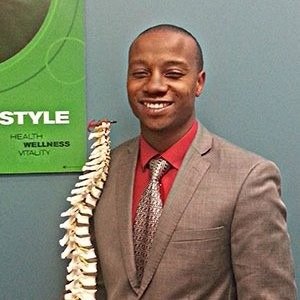
SEAS is a formal clinical methodology - it requires specific training and certification from ISICO to deliver correctly. Dr. Blessing Chiwona is an ISICO-accredited SEAS provider, verifiable through ISICO's published provider network at isico.it.
Book an Accredited SEAS Assessment in Auckland
NZ Scoliosis Clinic is Auckland's accredited SEAS provider. Find out what a personalised programme could achieve for your specific curve.
Book an Appointment