Who Can Benefit From Non-Surgical Scoliosis Treatment?
Non-surgical scoliosis treatment is most effective for patients with mild to moderate curves - broadly defined as a Cobb angle between approximately 10° and 45°. Within this range, the spine retains enough flexibility to respond to corrective bracing and targeted rehabilitation. The earlier treatment begins, the greater the potential to influence the curve's trajectory.
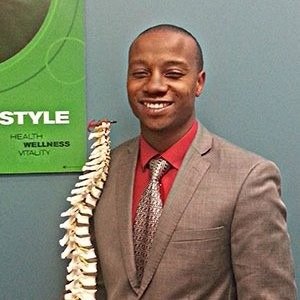
Not all scoliosis presentations are the same, and treatment suitability depends on a combination of factors: curve severity, curve location, age, skeletal maturity, and whether the curve is progressing. An initial assessment with Dr. Chiwona will establish these parameters and determine the most appropriate treatment pathway.
Treatment for Children and Adolescents
Children and adolescents represent the most time-sensitive group for conservative scoliosis care. During growth phases, curves can progress rapidly. A child with a 20° curve at age 11 may reach 40° or beyond by age 14 if the spine is not supported during peak growth velocity. Adolescent idiopathic scoliosis (AIS) is the primary focus of both the ScoliBrace and SEAS protocols. Treatment during the Risser stage 0–2 phase yields the strongest outcomes.
Treatment for Adults
Adults living with scoliosis can benefit meaningfully from conservative care, though the goals differ from paediatric treatment. In adults, the primary objectives are curve stabilisation, pain reduction, and improved function, rather than full curve correction. Many adults in their 30s, 40s, and beyond seek help when scoliosis-related back pain begins to affect daily life. SEAS-based rehabilitation is the cornerstone of adult management.
Scoliosis Treatment Options at NZ Scoliosis Clinic
NZ Scoliosis Clinic uses internationally accredited, evidence-based treatment methods. Unlike general chiropractic care, the clinic's approach is scoliosis-specific.
3D Corrective Bracing: ScoliBrace
ScoliBrace is a 3D custom-fabricated corrective brace designed specifically for scoliosis and kyphosis. Unlike traditional braces designed to simply hold the curve in position, ScoliBrace uses a mirror-image correction principle: the brace actively pushes the spine toward a corrected posture. It is primarily used with adolescents during growth phases.
Scoliosis-Specific Exercise Rehabilitation (SEAS)
The Scientific Exercise Approach to Scoliosis (SEAS) is an exercise rehabilitation programme developed by ISICO (the Italian Scientific Spine Institute) in Milan. It has the strongest gathered research evidence among scoliosis-specific exercise programmes. SEAS is built around active self-correction to train the neuromuscular system to reinforce a better spinal alignment.
Schroth Method
The Schroth Method is a three-dimensional rehabilitation approach developed in Germany. It emphasises elongation of the spine, rotational breathing, and postural correction through specifically sequenced exercises tailored to the patient's curve pattern. Dr. Chiwona is an Accredited Schroth Method provider.